What Actually Affects Nerve Comfort, Beyond Any Single Supplement
Blood sugar control, posture, sleep quality and regular movement all measurably affect nerve comfort and sensation — often more than any single supplement can.
Understanding the fuller picture helps set realistic expectations for what nutritional support can and cannot do on its own.
Blood sugar control is a major lever
Elevated blood sugar over time is one of the most well-documented contributors to nerve-related discomfort, particularly in the hands and feet. For anyone with blood sugar concerns, this is typically a far larger lever than any nerve-support supplement.
Posture and repetitive strain
Sustained postures, repetitive movements, and positions that compress nerves (like prolonged sitting with legs crossed, or repetitive wrist motions) can contribute to localized tingling and discomfort. Adjusting posture and taking movement breaks is a genuinely useful, low-cost intervention.
Sleep and nerve sensitivity
Poor sleep is associated with heightened pain and discomfort sensitivity generally, which can make existing nerve-related sensations feel more pronounced the following day.
Alcohol and B-vitamin status
Regular heavy alcohol consumption can contribute to nerve-related discomfort over time, partly through its effect on B-vitamin absorption and status, which are relevant to nerve function.
Regular movement and circulation
Regular physical activity supports healthy circulation, which is relevant to delivering nutrients to nerve tissue and may support overall comfort over time.
Where nutritional support realistically fits
Applying this to Nerve Reset
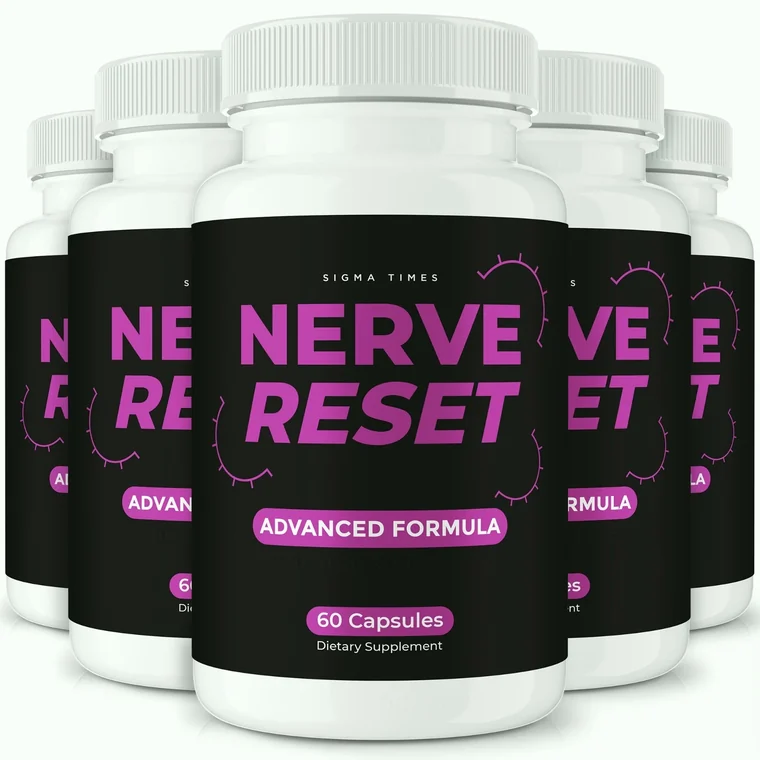
Formulas like Nerve Reset are designed to supply traditional calming botanical support, a genuinely useful addition layered on top of the habits above, not a substitute for them. If blood sugar, posture or an underlying medical condition are the actual cause of nerve-related discomfort, no supplement, this one included, will fully address that on its own.